

Chandigarh Saturation: Rise of Peripheral Real Estate Hubs
Chandigarh saturation is driving buyers to Mohali, Zirakpur & New Chandigarh. Explore growth, trends & investment opportunities.
 PropertyPocketsUpdated 4 months Ago4 Mins read
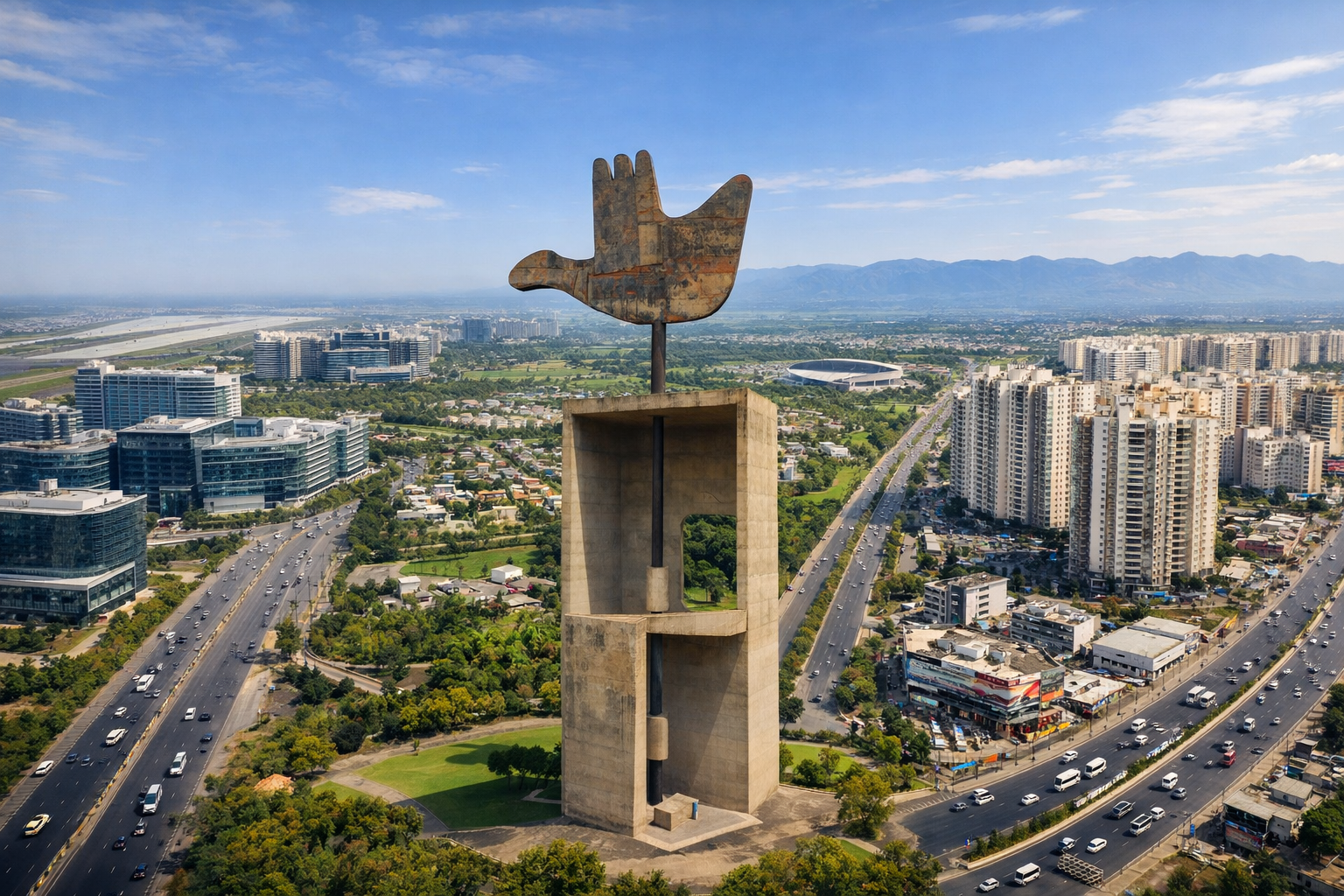
Introduction: When a City Reaches Its Limit
Over the last two decades, Chandigarh has evolved from a well-planned administrative capital into one of North India’s most desirable urban destinations. Designed by Le Corbusier, the city was never meant to expand endlessly. Its grid-based sectors, controlled density, and strict zoning norms ensured quality of life—but also imposed a hard limit on growth.
Today, that limit has been reached.
Chandigarh is no longer just “premium”—it is saturated. Limited land availability, skyrocketing prices, and negligible new supply have created a structural imbalance between demand and availability. As a result, a silent yet powerful shift is underway: buyers, investors, and developers are moving outward.
Peripheral areas like Mohali, Zirakpur, New Chandigarh, Kharar, and Panchkula Extension are becoming the new growth engines of the Tricity region.
This is not a temporary trend—it’s a long-term urban transformation.
Understanding Chandigarh’s Saturation
1. Limited Land Supply
Chandigarh’s biggest strength—its planned structure—is now its biggest constraint. Unlike cities that expand organically, Chandigarh cannot sprawl endlessly due to:
- Fixed sector boundaries
- Green belts and reserved zones
- Government-controlled land release
There are almost no large land parcels left for new residential or commercial development.
2. Skyrocketing Property Prices
With demand consistently rising and supply shrinking, property prices in Chandigarh have reached levels that are unaffordable for most buyers:
- Independent houses in prime sectors: ₹5–15 Cr+
- Builder floors: ₹2.5–5 Cr
- Limited availability of new apartments
This has created a luxury-heavy market, excluding mid-income buyers entirely.
3. No New Inventory
Unlike expanding cities, Chandigarh offers:
- Minimal new project launches
- Almost zero affordable housing supply
- Limited redevelopment opportunities
As a result, end-users and investors are forced to look beyond city limits.
The Demand-Supply Gap: A Structural Shift
The mismatch between demand and supply in Chandigarh has triggered a ripple effect across the Tricity.
Demand Drivers
- IT and corporate growth in Mohali
- Migration from Punjab, Haryana, and Himachal
- NRI investments
- Lifestyle aspiration for “Chandigarh-like living”
Supply Response
Since Chandigarh cannot accommodate this demand, nearby regions are stepping in:
- Large-scale township developments
- High-rise residential projects
- Integrated commercial hubs
This shift is not accidental—it is market-driven urban expansion.
Rise of Peripheral Areas: The New Real Estate Hotspots
Mohali: The Growth Powerhouse
Mohali has emerged as the strongest alternative to Chandigarh, driven by infrastructure, planning, and employment hubs.

8
Key Growth Drivers
- IT City and corporate offices
- Proximity to Chandigarh (10–15 mins)
- Infrastructure by Greater Mohali Area Development Authority
- Premium projects in Aerocity & Sector 82–85
Market Positioning
Mohali is no longer “affordable”—it is becoming premium yet accessible.
- 2/3 BHK apartments: ₹70L – ₹1.8 Cr
- Luxury projects competing with Chandigarh lifestyle
Investor Insight
High appreciation potential due to:
- Employment-driven demand
- Infrastructure-led growth
- Increasing rental yields
Zirakpur: The Affordable High-Density Hub
Zirakpur has witnessed explosive growth over the past decade, primarily due to its affordability and connectivity.

6
Why Zirakpur Works
- Lower entry prices
- High inventory availability
- Strong connectivity to Chandigarh, Panchkula & highways
Challenges
- Over-supply in certain pockets
- Infrastructure strain (traffic, drainage)
- Quality variation across projects
Market Reality
Zirakpur is ideal for:
- Budget buyers
- Rental investors
- First-time homebuyers
But it requires careful project selection.
New Chandigarh: The Future-Ready Township
New Chandigarh represents the next phase of planned urban expansion.

7
Key Highlights
- Master-planned by GMADA
- Wide roads, low density, green zones
- Emerging education & healthcare hubs
Major Projects
- Omaxe New Chandigarh
- Eco City
- DLF Hyde Park
Investment Perspective
New Chandigarh is a long-term bet:
- Lower current density
- High future appreciation potential
- Ideal for plotted developments and villas
Kharar & Landran Road: The Budget Growth Corridor
Kharar-Landran Road has become a hotspot for affordable housing and student-driven demand.
Why It’s Growing
- Proximity to universities and colleges
- Lower land costs
- Increasing builder activity
Buyer Profile
- Students and working professionals
- Budget investors
- Rental income seekers
Infrastructure: The Backbone of Peripheral Growth
Peripheral expansion is not random—it is backed by strong infrastructure development.
Key Projects Driving Growth
- Airport Road connectivity
- PR-7 Road (Aerocity to Zirakpur)
- Ring road proposals
- Metro expansion discussions
These developments are reducing psychological distance between Chandigarh and its peripheries.
Today, living in Mohali or Zirakpur no longer feels “outside the city.”
Changing Buyer Psychology: From Location to Value
Earlier, buyers had a simple mindset:
“If it’s not Chandigarh, it’s not worth it.”
That mindset is changing rapidly.
New Decision Factors
- Price vs lifestyle
- Connectivity vs location tag
- Amenities vs sector number
- ROI vs emotional buying
Today’s buyer is more rational and value-driven.
Developers’ Strategy Shift
Developers have clearly understood the saturation dynamics.
What They’re Doing Differently
- Launching large integrated townships
- Offering luxury amenities at lower prices
- Creating “Chandigarh-like lifestyle” branding
- Focusing on gated communities
Peripheral areas are no longer secondary—they are primary development zones.
Investment Opportunities: Where Smart Money is Moving
Short-Term Gains
- Zirakpur (rental yield, quick resale)
- Kharar (budget flipping opportunities)
Mid-Term Growth
- Mohali (IT-driven appreciation)
- Aerocity & Sector 82–85
Long-Term Wealth Creation
- New Chandigarh (plotted & villa investments)
Smart investors are diversifying across these zones instead of relying solely on Chandigarh.
Risks to Consider
While peripheral growth is promising, it is not risk-free.
Key Risks
- Over-supply in certain micro-markets
- Delayed infrastructure execution
- Builder credibility issues
- Uneven development patterns
Due diligence is critical before investing.
Future Outlook: The Tricity Transformation
The Tricity is evolving into a multi-nodal urban region:
- Chandigarh → Administrative & legacy premium hub
- Mohali → Corporate & residential growth center
- Zirakpur → Affordable housing & high-density zone
- New Chandigarh → Planned future township
This distributed growth model is similar to cities like Gurgaon (Delhi NCR) and Navi Mumbai.
Strategic Insight: Opportunity Hidden in Saturation
Chandigarh’s saturation is not a problem—it is an opportunity in disguise.
It is forcing:
- Better urban planning
- More affordable housing options
- Balanced regional development
For buyers and investors, this is the best time to enter peripheral markets before they mature fully.
Conclusion: The Shift is Permanent
Chandigarh will always remain a premium, aspirational address—but it is no longer the center of growth.
The future lies in its peripheries.
Mohali, Zirakpur, New Chandigarh, and surrounding areas are not just alternatives—they are the next Chandigarh in the making.
The question is no longer:
“Should I invest outside Chandigarh?”
The real question is:
“Which peripheral market will outperform the rest?”
Because in real estate, growth follows space—and space no longer exists in Chandigarh.
- Aerocity Mohali
- affordable housing Mohali
- Chandigarh real estate
- Chandigarh saturation
- GMADA Development
- IT City Mohali
- Kharar property market
- Mohali Property
- New Chandigarh projects
- peripheral areas growth
- property price growth Chandigarh
- real estate demand Tricity
- real estate investment Punjab
- Tricity real estate trends
- Zirakpur Investment






Aerocity: The “Madhya Marg” of Mohali in the Making?
A Property Pockets Exclusive Conversation with Mr. Sanjeev Thakur
PropertyPockets5 Mins read

GMADA Policies Impact on Property Prices in Mohali & Tricity
Explore how GMADA policies shape property prices in Mohali, Aerocity & Tricity...
PropertyPockets4 Mins read

GMADA vs Private Developers – Who Is Shaping Tricity Faster?
GMADA vs private developers in Tricity real estate—compare speed, planning, pricing, and...
PropertyPockets4 Mins read

Luxury Housing Market – Who Is Buying Premium Properties in Tricity?
Explore who is buying luxury housing in Tricity including Mohali, New Chandigarh,...
PropertyPockets3 Mins read




Leave a comment