

Punjab Tightens Rules: PPCB Shields Buyers from Non-Compliant Builders
Punjab PPCB eases rules for buyers, allows sale deeds & power while cracking down on non-compliant builders. A major shift in real estate.
 PropertyPocketsUpdated 5 months Ago4 Mins read

Punjab’s real estate market is entering a decisive phase of reform—one that aims to correct long-standing imbalances between developers and homebuyers. In a landmark move, the Punjab Pollution Control Board (PPCB) has revised its approach toward environmental compliance in real estate projects, ensuring that innocent buyers are no longer penalized for the violations of developers.
For years, buyers across cities like Mohali, Zirakpur, and New Chandigarh found themselves stuck in projects that lacked proper environmental clearances. The consequences were severe—delayed possession, blocked sale deeds, and even denial of basic utilities like electricity. But with the latest PPCB directives, that narrative is changing rapidly.
This is not just a policy update—it’s a structural shift in how accountability, compliance, and consumer protection are balanced in Punjab’s real estate ecosystem.
The Problem: When Buyers Paid for Builders’ Mistakes
To understand the significance of this move, it’s important to revisit the problem.
Real estate buyers in Punjab have historically faced a hidden risk—investing in projects that appeared legitimate but lacked environmental compliance. Many developers launched projects without securing mandatory approvals from pollution control authorities, leading to regulatory actions later.
These actions often included:
- Halt on project approvals
- Ban on property registrations
- Suspension of electricity connections
- Legal proceedings against projects
While these measures were intended to enforce compliance, they ended up punishing the wrong stakeholders—the buyers.
Thousands of families who had invested their life savings found themselves unable to register their homes or access basic services.
The Turning Point: PPCB’s New Directive
In April 2026, the PPCB introduced a revised framework aimed at protecting homebuyers without diluting environmental enforcement.
Key Changes Introduced
- Sale deeds are now allowed even in non-compliant projects
- Electricity connections can be released for individual units
- Builders will continue to face strict action
- No new approvals for developers until compliance is achieved
This move ensures that buyers can secure legal ownership and basic living conditions, even if the project itself is under scrutiny.
According to official statements, the decision was driven by public complaints and recommendations from a senior committee formed earlier in 2026.
Balancing Rights and Regulation
One of the most important aspects of this policy is the balance it creates.
Earlier, enforcement leaned heavily toward punitive action—blocking entire projects. Now, the PPCB has taken a more nuanced approach:
- Buyers are protected
- Builders remain accountable
- Environmental laws stay intact
Authorities have emphasized that access to electricity is not a luxury but a fundamental right linked to Article 21 of the Constitution (Right to Life). Denying such services due to builder negligence was considered unjust.
This shift reflects a more mature regulatory mindset—one that separates intent from impact.
A Strong Message to Builders: Compliance is Non-Negotiable
While buyers have received relief, developers are under tighter scrutiny than ever.
The PPCB has made it clear:
- Violators will face prosecution
- Penalties will continue
- Future project approvals will be withheld
- Environmental clearance remains mandatory
This sends a clear signal—Punjab is moving toward a compliance-driven real estate market.
Developers can no longer rely on loopholes or delayed enforcement. Instead, they must adopt:
- Proper environmental planning
- Waste management systems
- Sustainable construction practices
- Transparent documentation
As highlighted in recent reports, the focus is now on accountability rather than blanket punishment.
Impact on Homebuyers: Relief, Trust & Confidence
For homebuyers, this policy is a game changer.
1. Immediate Relief
Buyers stuck in problematic projects can now:
- Register their properties
- Get electricity connections
- Secure legal ownership
This resolves one of the biggest pain points in Punjab real estate.
2. Reduced Investment Risk
The new framework reduces uncertainty. Buyers can now invest with greater confidence knowing that:
- Their rights are protected
- Regulatory systems are evolving
- Transparency is improving
3. Improved Market Trust
Real estate operates on trust. With this move:
- Buyer confidence is likely to rise
- End-user demand may increase
- Investor sentiment will improve
This is particularly important in emerging corridors like Aerocity, IT City, and Kharar-Landran Road.
Impact on Developers: Survival of the Fittest
The policy will reshape the developer ecosystem.
1. Pressure on Non-Compliant Builders
Developers who ignore regulations will face:
- Financial penalties
- Project delays
- Reputation damage
2. Advantage for Organized Players
Reputed builders who already follow compliance norms will benefit:
- Increased trust
- Faster approvals
- Better sales conversion
3. Shift Toward Sustainable Development
Developers will now be forced to adopt:
- Eco-friendly construction
- Pollution control measures
- Long-term planning
This aligns Punjab’s real estate with global sustainability trends.
The Bigger Picture: A Structural Reform in Punjab Real Estate
This move is not isolated. It is part of a broader trend of tightening regulations in Punjab.
Recent policy changes include:
- Mandatory 100% land ownership for project launches
- Crackdowns on unauthorized constructions
- Stricter approval mechanisms
Together, these reforms indicate a shift toward:
- Transparency
- Accountability
- Long-term sustainability
The government is clearly moving away from speculative growth toward structured development.
Environmental Compliance: Why It Matters More Than Ever
The PPCB’s actions also highlight a critical issue—environmental sustainability.
Real estate development has a direct impact on:
- Air quality
- Water resources
- Waste management
- Urban infrastructure
Unchecked construction can lead to:
- Pollution
- Flooding risks
- Infrastructure strain
By enforcing compliance, the PPCB is not just regulating builders—it is safeguarding Punjab’s future.
Challenges Ahead: Implementation Will Be Key
While the policy is promising, its success depends on execution.
Potential Challenges
- Monitoring compliance across projects
- Ensuring builders do not exploit loopholes
- Coordinating between departments
- Maintaining transparency in enforcement
If not implemented effectively, the policy could face:
- Delays
- Misinterpretation
- Partial compliance
What Buyers Should Do Now (Practical Guide)
Even with stronger regulations, buyers must stay cautious.
Checklist Before Investing
- Verify environmental clearance
- Check project approvals
- Review builder track record
- Confirm RERA registration
- Ensure legal documentation
Smart Strategy
- Prefer ready-to-move projects
- Invest in reputed developers
- Avoid “too good to be true” offers
The policy protects buyers—but informed decisions still matter.
What This Means for Investors
For investors, this reform creates both opportunities and filters.
Opportunities
- Safer investment environment
- Higher trust-driven demand
- Appreciation in compliant projects
Risks
- Short-term slowdown in new launches
- Increased compliance costs for developers
However, in the long run, the market will become:
- More stable
- More predictable
- More investor-friendly
Future Outlook: A Cleaner, Safer Real Estate Market
Punjab’s real estate market is entering a new phase—one defined by accountability and sustainability.
Key trends to watch:
- Rise of compliant projects
- Increased institutional investments
- Focus on eco-friendly development
- Stronger buyer protection laws
The PPCB’s move is likely to:
- Improve market credibility
- Reduce legal disputes
- Attract genuine investors
Conclusion: A Win-Win for Buyers and the Market
Punjab’s decision to shield homebuyers while cracking down on non-compliant builders marks a significant milestone in real estate governance.
It corrects a long-standing injustice—where buyers suffered for developers’ mistakes—and replaces it with a fair, balanced approach.
- Buyers get relief and protection
- Builders face accountability
- The environment remains safeguarded
This is the kind of reform that not only fixes current issues but also builds a stronger foundation for the future.
In the coming years, this policy could very well become a benchmark for other states—proving that growth and responsibility can go hand in hand.
- builder compliance
- buyer safety Punjab
- electricity connection property
- environmental clearance
- homebuyer protection
- non compliant builders
- PPCB action
- PPCB rules
- Property Investment Punjab
- Property Pockets
- Punjab property news
- Punjab Real Estate
- real estate regulation
- real estate transparency
- sale deed Punjab
- sustainable housing







Umang Jindal Says He Doesn’t Do Marketing. Then What Are We Calling This?
Why trust, reputation and word of mouth may matter more than traditional...
 Bikramjeet Singh7 Mins read
From Lead Generation to Trust Generation: The Rise of Content-Led Real Estate Marketing
How Content is Reshaping the Psychology, Branding, and Business of Modern Real...
PropertyPockets6 Mins read
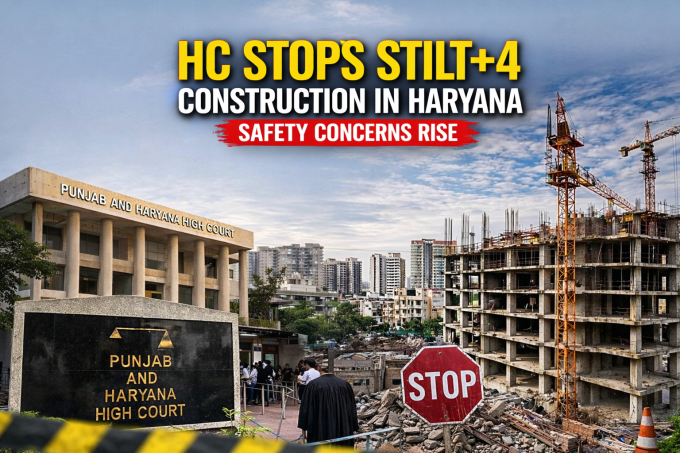
HC Stops Stilt+4 Projects in Haryana, Safety Issues Escalate
Punjab & Haryana HC halts stilt+4 projects citing safety, infrastructure gaps, and...
PropertyPockets5 Mins read

Smart Homes in Tricity: Luxury Trend or Daily Necessity?
Explore whether smart homes in Tricity are a luxury trend or a...
PropertyPockets4 Mins read





Leave a comment