

Smart Homes in Tricity: Luxury Trend or Daily Necessity?
Explore whether smart homes in Tricity are a luxury trend or a real necessity for modern living, security, and investment growth.
 PropertyPocketsUpdated 4 months Ago4 Mins read

The real estate landscape in Tricity—comprising Chandigarh, Mohali, and Panchkula—has witnessed a rapid transformation over the past decade. From traditional independent houses to gated communities and now to technology-enabled living spaces, the evolution has been swift and significant. Among the most talked-about innovations today is the rise of smart homes.
But the big question remains: Are smart homes just a passing luxury trend, or are they becoming a necessity in modern urban living?
Let’s explore this shift in detail—technologically, economically, and from a lifestyle perspective—especially in the context of Tricity’s fast-growing real estate ecosystem.
What is a Smart Home?
A smart home is a residence equipped with internet-connected devices that allow homeowners to control and automate various functions—such as lighting, security, temperature, and appliances—remotely via smartphones or voice assistants.
At the core of this transformation lies Internet of Things (IoT), enabling devices to communicate and work together seamlessly.
Common Features of Smart Homes
- Smart lighting systems with motion sensors
- Voice-controlled assistants like Amazon Alexa or Google Nest
- Automated climate control (AC, heaters)
- Smart door locks and video doorbells
- CCTV surveillance with mobile access
- Energy management systems
Smart homes are no longer just about convenience—they’re about efficiency, safety, and smarter decision-making.
The Rise of Smart Homes in Tricity
Tricity has emerged as a hotspot for real estate development, especially in areas like Aerocity, IT City, New Chandigarh, and Kharar-Landran Road. With increasing urbanization and rising disposable incomes, homebuyers are seeking more than just space—they want intelligent living experiences.
Key Drivers Behind the Growth
1. Tech-Savvy Buyers
Young professionals, NRIs, and entrepreneurs are driving demand. Many are already familiar with smart ecosystems and expect similar experiences at home.
2. Security Concerns
With growing urban density, safety has become a top priority. Smart surveillance and remote monitoring offer peace of mind, especially for working couples and frequent travelers.
3. Builder Differentiation
Developers are increasingly using smart features as a USP to stand out in a competitive market. Premium and even mid-segment projects are integrating automation.
4. Pandemic Impact
COVID-19 accelerated digital adoption. Contactless living, remote access, and automation became more relevant than ever.
Smart Homes: Luxury or Necessity?
This debate is at the heart of Tricity’s evolving housing market.
Why Smart Homes Feel Like a Luxury
- Higher initial investment
- Seen mostly in premium projects
- Perception of “non-essential” features
- Technology learning curve for older buyers
Why They Are Becoming a Necessity
- Security is no longer optional
- Energy efficiency reduces long-term costs
- Convenience saves time in busy lifestyles
- Remote control aligns with modern work culture
In cities like Chandigarh and Mohali, what started as a luxury feature in high-end villas is now gradually moving into mid-income apartments and builder floors.
Benefits of Smart Homes
1. Enhanced Security
Smart homes provide real-time surveillance, motion alerts, and remote locking systems. Whether you’re at work or traveling abroad, your home is always under your control.
2. Energy Efficiency
Smart lighting and climate systems optimize usage, reducing electricity bills—an important factor in regions with high summer AC usage like Punjab and Haryana.
3. Convenience & Comfort
Control everything—from lights to curtains—through your smartphone or voice. It simplifies daily routines significantly.
4. Increased Property Value
Smart-enabled homes often command better resale and rental value, especially in competitive markets like Tricity.
5. Future-Ready Living
As technology advances, homes equipped with smart infrastructure are better positioned to adapt to future innovations.
Challenges and Concerns
Despite the advantages, smart homes come with their own set of challenges.
1. High Initial Cost
Setting up a fully automated home can increase property costs by ₹2–10 lakh or more, depending on the level of automation.
2. Technology Dependency
Power failures, internet issues, or system glitches can disrupt functionality.
3. Cybersecurity Risks
With connected devices, there is always a risk of hacking if systems are not secured properly.
4. Maintenance & Upgrades
Technology evolves quickly, requiring periodic updates or replacements.
Smart Homes in Different Segments of Tricity
Luxury Segment
Projects in New Chandigarh and Aerocity are offering fully integrated smart ecosystems—voice-controlled homes, AI-based automation, and centralized control systems.
Mid-Segment Housing
Builder floors and apartments in Kharar and Zirakpur are adopting basic automation—video door phones, smart locks, and lighting.
Affordable Housing
While still limited, even budget housing is slowly integrating basic smart features, especially security-related ones.
Investment Perspective: Are Smart Homes Worth It?
From an investor’s standpoint, smart homes offer strong advantages:
- Higher rental demand from working professionals
- Better resale value
- Faster property absorption rates
- Appeal to NRI buyers
In Tricity, where rental demand is driven by IT professionals, students, and corporate employees, smart homes can provide a competitive edge.
Future of Smart Homes in Tricity
The future looks promising and inevitable.
Emerging Trends
- AI-based predictive automation
- Integration with renewable energy (solar panels)
- Smart community living (entire societies automated)
- Health monitoring systems in homes
- EV charging integration
As government initiatives push towards smart cities and digital infrastructure, Tricity is well-positioned to adopt these innovations at scale.
Smart Homes vs Traditional Homes
| Feature | Traditional Homes | Smart Homes |
|---|---|---|
| Security | Manual locks | Smart surveillance & alerts |
| Energy Use | High wastage | Optimized consumption |
| Convenience | Manual control | Automated systems |
| Property Value | Standard | Premium pricing |
| Future Readiness | Limited | High |
The shift is clear—smart homes are not replacing traditional homes overnight, but they are defining the future standard.
Should You Invest in a Smart Home in Tricity?
The answer depends on your purpose:
For End Users
If you value convenience, safety, and modern living—yes, it’s worth it.
For Investors
If your target audience includes professionals or NRIs—smart homes offer better ROI.
For Budget Buyers
Start with basic automation and upgrade gradually.
Final Verdict: Trend or Necessity?
Smart homes in Tricity have crossed the “trend” phase and are steadily moving toward becoming a necessity—especially in urban, fast-paced lifestyles.
What was once a luxury reserved for high-end villas is now entering mainstream housing. As technology becomes more affordable and awareness increases, smart homes will likely become as standard as modular kitchens or elevators.
Conclusion
The Tricity real estate market is evolving rapidly, and smart homes are at the center of this transformation. With increasing demand for security, efficiency, and convenience, the adoption of home automation is no longer optional for many buyers.
While challenges like cost and cybersecurity remain, the long-term benefits outweigh the concerns—especially in a competitive and growing market like Chandigarh, Mohali, and Panchkula.
So, is it a trend or necessity?
The answer is simple:
👉 It started as a trend, but it’s fast becoming a necessity.
- future homes india
- home automation benefits
- home automation chandigarh
- home tech trends india
- iot homes tricity
- luxury homes tricity
- PropertyPockets
- real estate trends chandigarh
- smart apartments mohali
- smart home devices india
- smart home investment
- smart home security india
- smart homes mohali
- smart homes tricity
- smart housing projects
- smart living india





From Lead Generation to Trust Generation: The Rise of Content-Led Real Estate Marketing
How Content is Reshaping the Psychology, Branding, and Business of Modern Real...
PropertyPockets6 Mins read
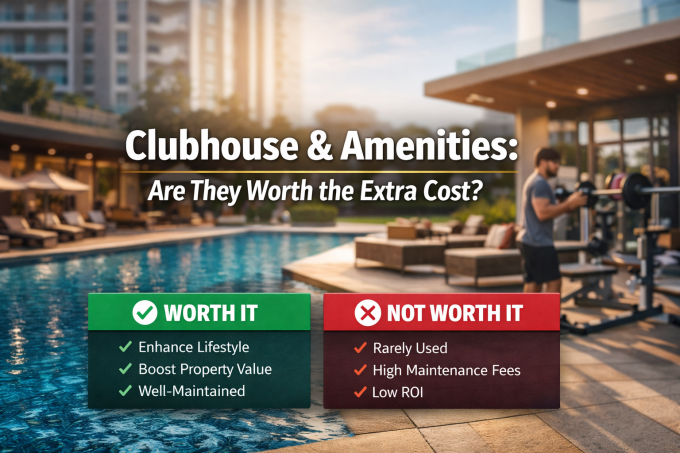
Clubhouse & Amenities: Are They Worth the Extra Cost?
Explore whether clubhouse and amenities in residential projects justify the cost, ROI,...
PropertyPockets5 Mins read
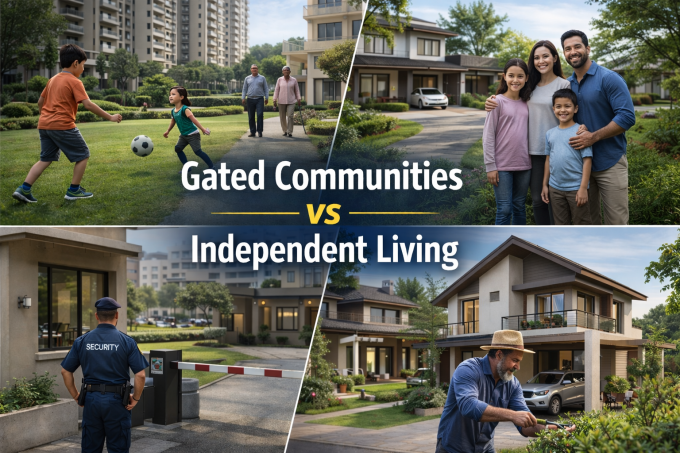
Gated Communities vs Independent Living: Which One Truly Fits Your Lifestyle?
Compare gated communities vs independent living—costs, lifestyle, security, ROI, and which suits...
PropertyPockets4 Mins read

Luxury Living Trends in Tricity: What Buyers Want in 2026
Explore luxury living trends in Tricity—smart homes, gated communities, green design, and...
PropertyPockets4 Mins read




Leave a comment